Lives and works: Los Angeles and New York City, USA
Media: Photography
Education: Photography at Bard College; further studies in Lacoste, France
Additional Practice: Musician with Yeah Yeah Yeahs and other projects
Artistic Position
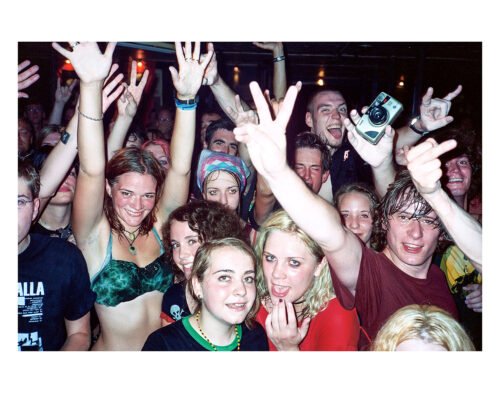
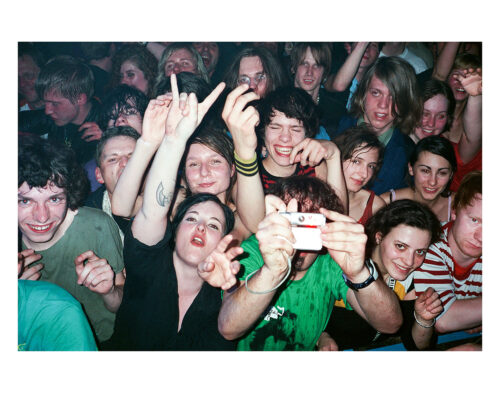
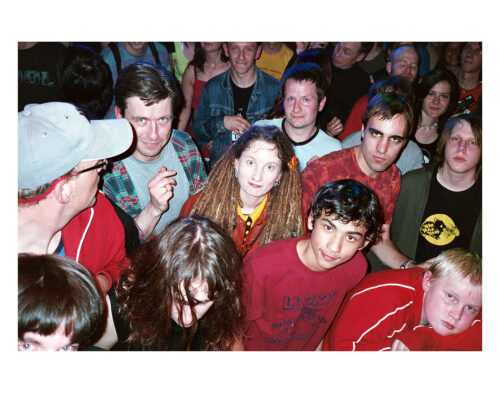
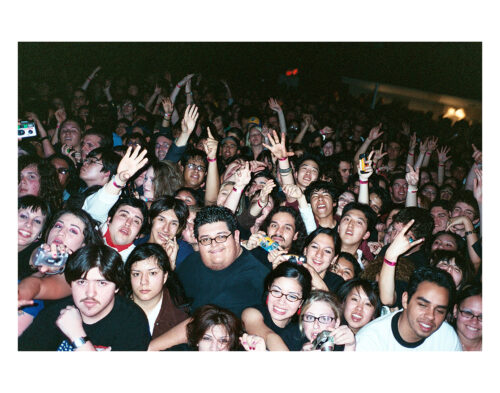
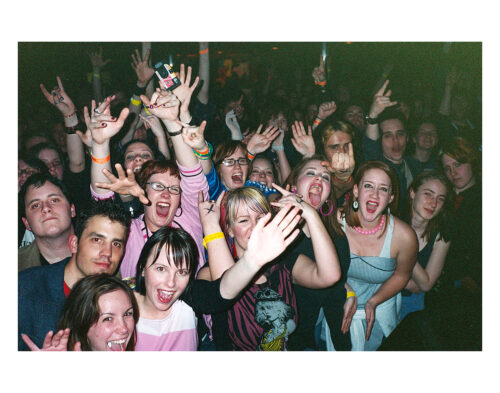
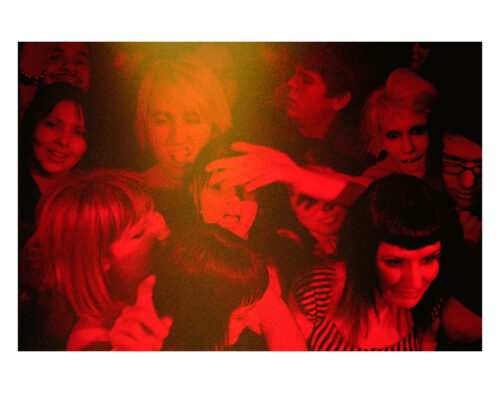
Nick Zinner’s photography explores intimacy and distance, collective energy and personal isolation. In the series Crowds, the camera shifts attention from the stage to the audience. The crowd is presented not merely as spectacle but as a psychological space shaped by glances, anticipation and shared movement.
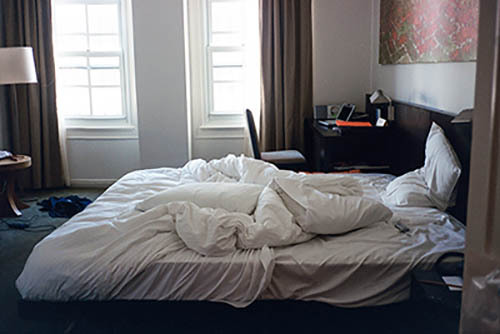
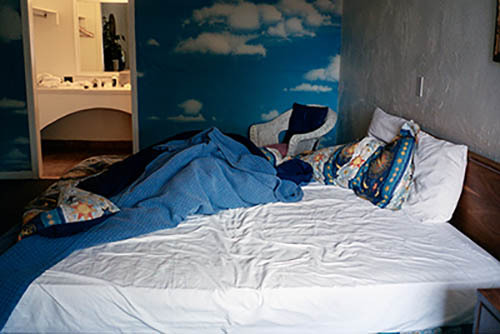
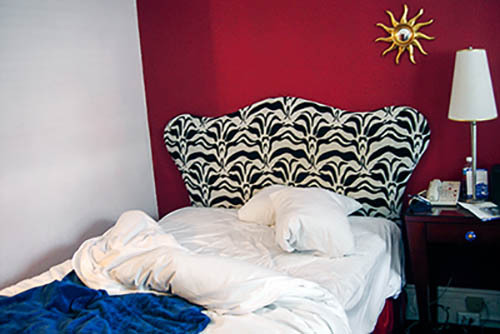
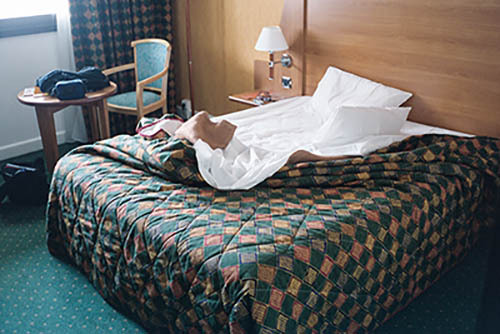
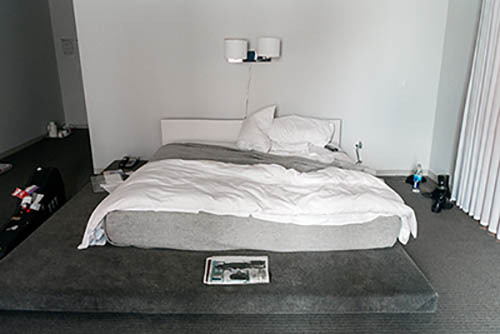
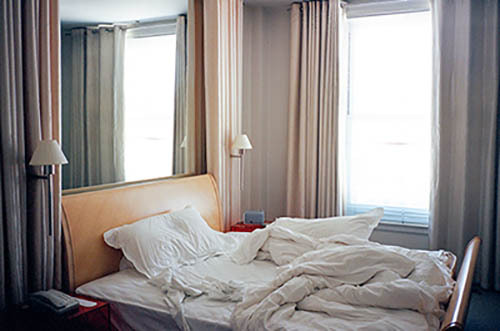
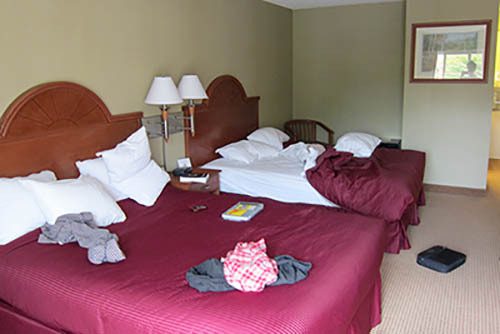
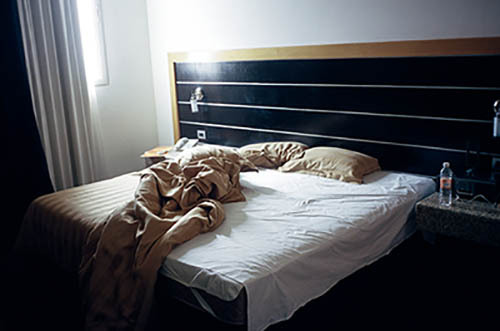
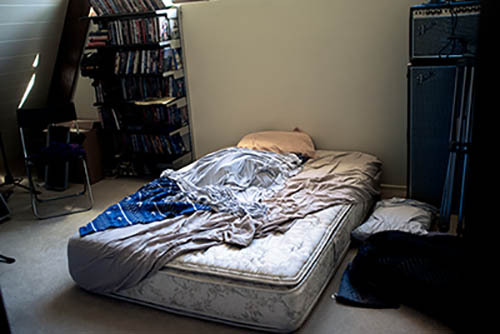
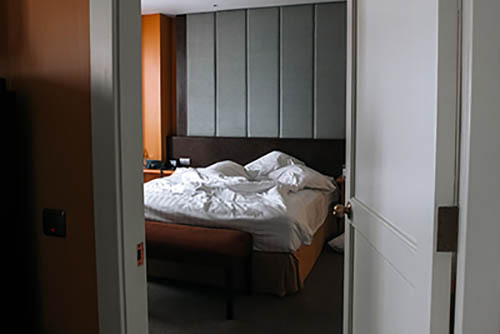
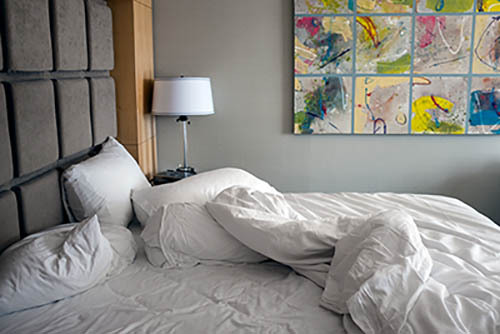
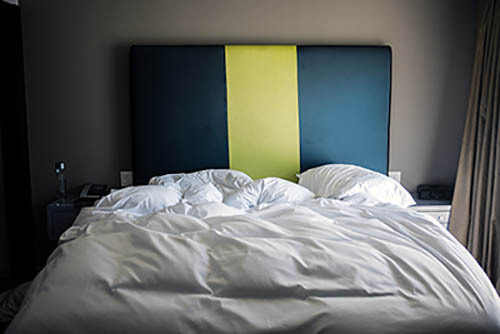
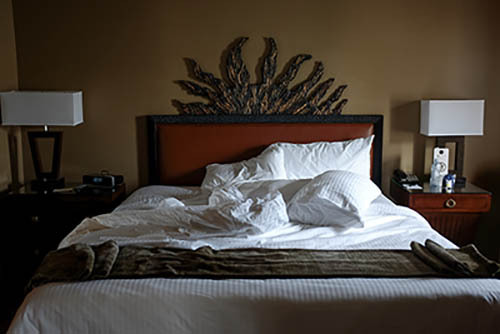
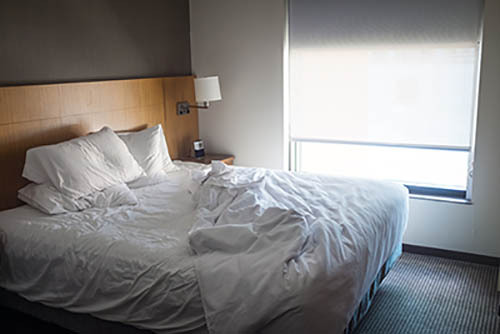
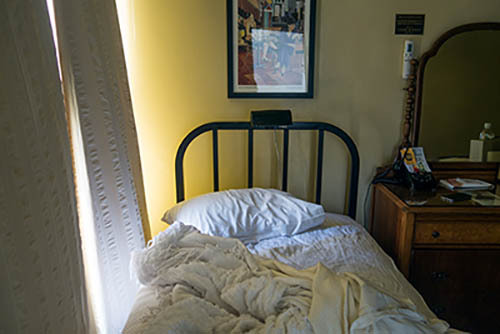
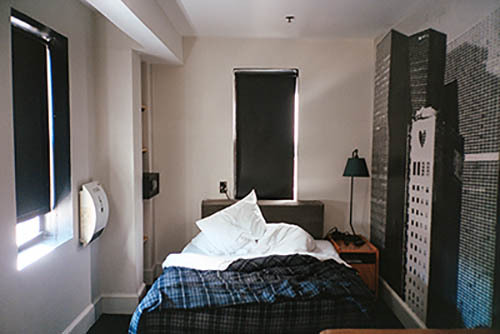
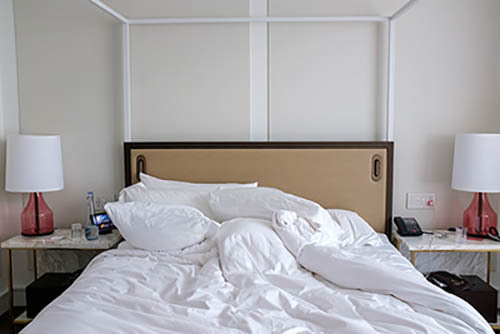
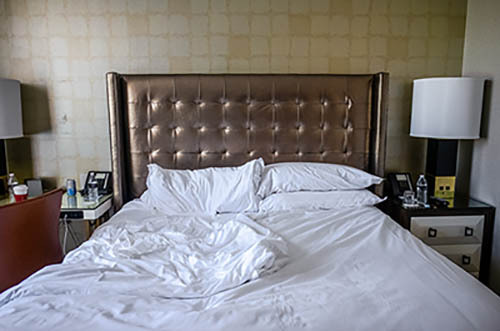
His series Slept in Beds forms a counterpoint, documenting hotel rooms and beds encountered during international tours. Together, both bodies of work reflect the extremes of life on the road. Zinner deliberately withdraws his own presence, allowing viewers to project their own memories and associations onto the images.
Selected Highlights
- Studied photography at Bard College and in Lacoste, France.
- Author of several photography books, including No Seats on the Party Car, I Hope You Are All Happy Now and Please Take Me Off the Guest List.
- International exhibitions in Japan, Mexico, the United States and Europe; presentations of The Aura of Rock’n’Roll (2024) and Crowds (2026) at the janinebeangallery.
The janinebeangallery presents Nick Zinner’s series Crowds and Slept in Beds, together with selected photographs from his archive.
“When the photographs of the series ‘Slept in Beds’ and ‘Crowds’ are coupled together it’s a fairly accurate representation of the extreme highs and lows of a touring musician, of the connection and isolation. But I try to take myself out of the equation actually and hopefully allow each viewer to attach their own story and meaning.” — Nick Zinner
Nick Zinner “Crowds” portfolio upon request
Nick Zinners “Slept in Beds” portfolio upon request

Over a period of more than 20 years, Zinner photographed the beds in which he slept after concerts – unmade, abandoned, anonymous. In an interview with the magazine “The Berliner” (2024), he describes these images as “portraits of places destined to be forgotten.” They are spaces without memory, intermediate zones in constant transit. And yet they possess a quiet intimacy – a sense of body, weariness, identity. Zinner himself says that these photographs document something that “otherwise wouldn’t leave a trace.” These traces left behind emphasize the absence of people and their transience, or at least their constant movement from space to time.