Skip to content
Menu
deutsch
janinebeangallery
Menu
Home
Current
Artists
Andrea Damp
Peter Doherty
Maxwell Dunlop
Jose Girl
Marie Louise Elshout
Florian Fausch
Max Giermann
Beate Höing
James F. Johnston
Hannah Jones
Armando Mariño
MASCH
Juan Miguel Pozo
Arny Schmit
Martin Stommel
Tina Winkhaus
Nick Zinner
Digital Art
Till Franzen
guest artists
Markus Klinko
Rogelio Manzo
Petra Rintelen
Orion Shima
Exhibitions
exhibitions 2026
3 x Color
Nick Zinner | Crowds
Max Giermann | Figuring Out
The Space Between
Andrea Damp | Glimmer
Tina Winkhaus | HM4T 4 EVR
exhibitions 2025
Peter Doherty | Felt Better Alive
Andrea Damp | Call of the Void
Jose Girl, MASCH, Armando Marino, Juan Miguel Pozo
Carsten Schulz | Lockdownbeats
Dreams of the Seen and Unseen
exhibitions 2024
MASCH | -The Past is Now-
Armando Mariño | Salon
Jose Girl and Nick Zinner
20 years of jbg part 1 | SEASONED SUMMER
20 years of jbg, part 2 | MEMENTO ABSTRACT
Till Franzen | Salon Special
Winter Melange
exhibitions 2023
Arny Schmit | „I’ll be back soon“
Jose Girl | „Tenebris Somniorum“
Andrea Damp | „Menagerie“
Peter Doherty | NRW Kulturforum museum
Ghosts of Colours | Florian Fausch, Hannah Jones, Lisa Kränzler, Juan Miguel Pozo, Guido Schulz
Maxwell Dunlop | Paradox Reality
Lisa Kränzler | ZUGUKA
Ho Ho Ho | Salon
exhibitions 2022
Maxwell Dunlop | „Echo“
Petra Rintelen in the Salon
Beate Höing and Florian Fausch | „It`s a Match“
Martin Stommel | „On Deliverance“
Guido Schulz | „Lärm der Zeit“ photography in the Salon
Das Wunderland fehlte mir
Peter Doherty | Contain yourself (seriously)
exhibitions 2021
Maxwell Dunlop | “Echo”
Petra Rintelen in the Salon
Rogelio Manzo | „Corporeal and Incorporeal Structures“
Inna Artemova and Juan Miguel Pozo
Orion Shima and Martin Stommel | “Moonlight at Noon”
High on Paper
High on Paper | Editions
exhibitions 2020
Armin Völckers and Maxwell Dunlop
„Dodo Dialogues“
„Art Is a Remedy – A Midsummer Night’s Dream“
„Art Is a Remedy“
Beate Höing – „meet me there“
exhibitions 2019
Anna Borowy – „Ich sehe was, das du nicht siehst“
Sebastian Mögelin – „Erzkrackdusel“
Inna Artemova – „Future Structures“
„Interlude“
Martin Stommel – „Arkadia“
Juan Miguel Pozo – „Die Zukunft war eine Ort“
´Arny Schmit – „Der Geschmack von Schnee“
Dominik Butzmann – „Haltung“
exhibitions 2018
„Blende“
„You, Venus and I“
Sebastian Mögelin – „Morgentau mit Schwafelbrot“
„Strange Matter“
Inna Artemova – „Reinventing Utopia“
Anna Borowy – „Darkest Birds“
exhibitions 2017
„Halbdunkel“
Armando Marino – „Watercolors“
Kathrin Günter – „The Empty House“
Armin Völckers – „Silent Green“
Grigori Dor – „Falling Empire“
Lori Field – „Dark Ages“
„Fad and Fury“
exhibitions 2016
Anna Borowy – „Let’s Get Lost“
„The Killing Moon“
Inna Artemova – „Hide & Seek“
Anya Janssen – „Retroactive“
Dario Puggioni – „In Between“
Florian Fausch – „Shift“
Kathrin Günter and Tanja Selzer – „Séance“
archive
exhibitions 2015
Lori Field – „Tyger Tyger“
Inna Artemova – „Past Forward“
Anna Borowy – „Fancy Drugs“
„Lights and Shadows“
Grigori Dor – „The Archeology of Dreams and Desires“
Anya Janssen – „My Animal Friend“
„Little Wonderland“
exhibitions 2014
GODsDOGs and Tanja Selzer
Donata Benker, Lori Field and Iva Vacheva
Anna Borowy – „Vergissmeinnicht“
Inna Artemova – „Pool Time“
Anna-Maria Sommer and Dario Puggioni
Dario Puggioni – „Dicotomia: Corpo“
2013
Anna Borowy, Iva Vacheva and Agata Agatowska
Tanja Selzer – „Süsse Lügen“
Lori Field, Kristian Evju, Margarete Kreuzer
Florian Fausch – „Sollbruchstelle“
Donata Benker – „Reverso“
Marco Reichert – „Silicon Valley“
exhibitions 2012
exhibitions 2011
exhibitions 2010
exhibitions 2009
exhibitions 2008
2005-2007
Art Fairs & Projects
art fairs 2022
art fairs 2021
Luxembourg Art Week
art fairs 2020
Luxembourg Art Week
art fairs 2018
Scope Basel
art fairs 2017
art fairs 2016
archive
art fairs 2015
art fairs 2014
art fairs 2013
art fairs 2012
art fairs 2011
art fairs 2010
art fairs 2009 – 2005
Collector’s Cabinet
Virtual Gallery Archive
About
Contact
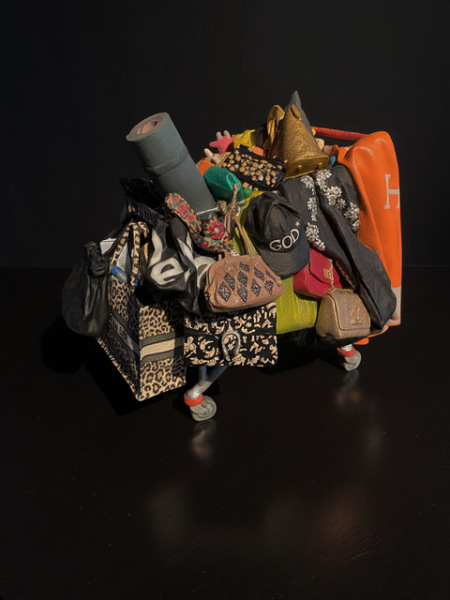
Tina Winkhaus | art works | HM4T 4 EVR
[Show as slideshow]